
Biodegradable Spring Wreaths Ideas

Chosen theme: Biodegradable Spring Wreaths Ideas. Welcome to a joyful, earth-first doorway into spring, where every petal, fiber, and frame returns gently to the soil after it has brightened your home.

Why Biodegradable Wreaths Matter

Traditional wreaths often rely on plastic frames and synthetic ribbons that linger for decades in landfills. Biodegradable spring wreaths use grapevine, straw, and natural twine, so every component breaks down beautifully and completes a respectful life cycle.

Sourcing Natural, Compostable Materials

Forage with Care

Walk at dawn when leaves are dewy and flexible, and harvest mindfully—never take more than a third from any plant. Remove invasives when permitted, avoid protected species, and carry a basket and snips to keep stems clean, tidy, and ready for gentle binding.

Market Basket Picks

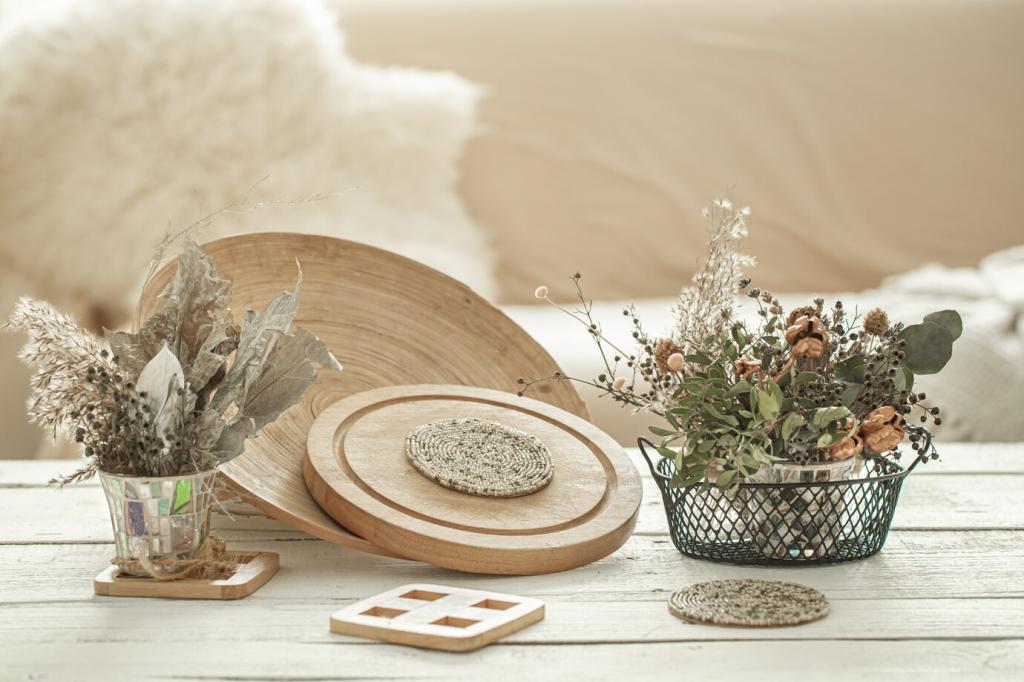
Seek straw, dried grasses, willow whips, grapevine coils, and herbs like thyme or mint for fragrance. Add dried citrus, seed pods, and cotton string. These simple, compostable staples deliver texture, scent, and structure without synthetic foam, plastic frames, or chemical glues.

What to Skip (and What to Use Instead)

Skip hot glue, plastic-coated wire, and polyester ribbon. Instead, try hemp twine, undyed raffia, or cotton thread for binding; wheat or rice paste for light attachments; and thorny stems as clever, natural hooks that secure sprigs without introducing persistent waste.

Color and Texture: Stories in Greens and Petals

Gather moss, fern tips, and silvery olive leaves for softness. Accent with early blossoms like hellebore or miniature narcissus, nestled in moss pockets that preserve moisture. Let gentle tonal shifts whisper spring rather than shout, inviting closer looks and deeper appreciation.

Color and Texture: Stories in Greens and Petals

Thread dehydrated orange slices, eucalyptus pods, and lunaria coins with cotton. Their papery sheen catches light and survives breezy doorways. Add wheat heads or oat grass for movement, creating a tactile story that remains compostable at season’s thoughtful end.

Tying and Stitching

Use a blunt needle and cotton thread to stitch stems directly into straw bases. Weave longer branches through a grapevine frame. These quiet techniques keep mechanics invisible, strong in wind, and lovely to disassemble for responsible composting later.

Plant-Based Pastes for Light Embellishments

Wheat or rice paste can hold dried petals, paper tags, or wafer-thin leaves. Brush lightly and let it set fully. Humidity matters, so test a small piece first, and share results with fellow readers to refine spring-friendly mixtures together.

Thorn, Hook, and Slot Tricks

Use thorned rose stems as natural hooks, or slit a straw base slightly to tuck in clusters. Twist flexible twigs into tiny clips. These mechanical fixes are surprisingly strong and keep your wreath entirely biodegradable from stem to seal.

Care, Display, and End-of-Life

Mist greeneries lightly in the morning, rotate out of direct sun, and avoid doorways with high heat exposure. If petals tire, trade them for fresh leaves. A few mindful minutes each week prolong beauty without any synthetic sprays or preservatives.

Stories from Makers: Spring Memories to Keep

She stitched thyme and bay into straw while telling stories of war-time frugality and garden abundance. The fragrance drifted into the street, neighbors pausing to chat. Share a recipe wreath memory of your own, and subscribe for future heritage-inspired tutorials.

Stories from Makers: Spring Memories to Keep

In a tiny apartment, a reader shaped a willow hoop from florist trimmings and clipped mint from a window box. That humble wreath sparked hallway conversations about compost and kindness. Tell us how small spaces are shaping your biodegradable spring vision.
Lvxublog
Privacy Overview

This website uses cookies so that we can provide you with the best user experience possible. Cookie information is stored in your browser and performs functions such as recognising you when you return to our website and helping our team to understand which sections of the website you find most interesting and useful.